
Understanding the Iranian Legal System: A Comprehensive Guide


Introduction to the Iranian Legal System
The Iranian legal system is a complex blend of Islamic principles and civil law. It is essential to understand its foundations to navigate the legal landscape effectively. This guide aims to provide a comprehensive overview of the key components and structures within Iran's legal framework.
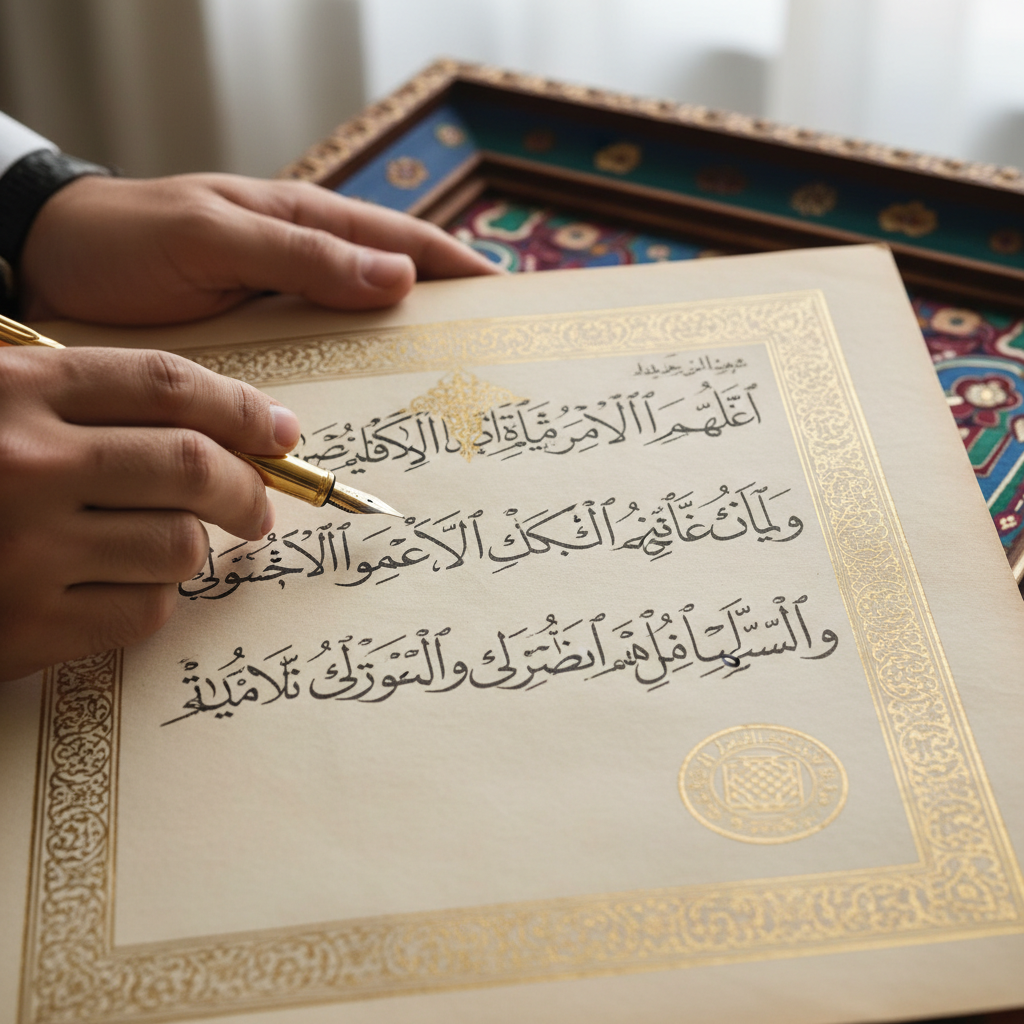
The Role of Sharia Law
At the heart of the Iranian legal system is Sharia law, which is derived from the Quran and Hadith. Sharia influences various aspects of the legal process, including criminal, civil, and family law. It serves as a guiding principle, ensuring that legal decisions align with Islamic teachings.
Civil Law and Codified Legislation
In addition to Sharia, Iran has a body of codified laws that govern civil matters. These laws cover various areas such as contracts, torts, and property rights. The Civil Code of Iran, first enacted in 1928, remains a significant legal document in the country's judicial system.

The Judiciary System
The Iranian judiciary is an independent body responsible for interpreting and applying the law. It comprises several courts, including the Supreme Court, which serves as the highest judicial authority. Judges in Iran are expected to have a deep understanding of both Islamic and civil law.
Legal Procedure and Representation
Legal procedures in Iran can differ significantly from those in Western countries. Trials are typically conducted in a manner consistent with Islamic principles. Legal representation is available, but attorneys must be familiar with both civil and Sharia law to effectively advocate for their clients.

Criminal Law
Criminal law in Iran is heavily influenced by Islamic principles. Crimes are categorized into three types: Hudud, Qisas, and Ta'zir. Each category has specific guidelines for punishment, with Hudud being the most severe, involving fixed penalties for offenses such as theft and adultery.
Family Law
Family law in Iran is governed primarily by Sharia. Issues such as marriage, divorce, and inheritance are handled according to Islamic principles. The family court system is designed to ensure that family matters are resolved in a manner consistent with religious teachings.
International Relations and Law
Iran's legal system also interacts with international law, particularly in areas such as trade and diplomacy. The country is a member of various international organizations and adheres to treaties that align with its national interests and legal principles.

Conclusion
Understanding the Iranian legal system requires an appreciation of its unique combination of Islamic and civil law principles. By grasping the foundational elements outlined in this guide, individuals and businesses can better navigate the complexities of Iran's legal landscape.