
Understanding Corporate Law in Tehran: Key Considerations for Businesses


Understanding corporate law in Tehran is essential for businesses looking to establish or expand their operations in Iran. Navigating the legal landscape can be complex, but with the right knowledge, companies can ensure compliance and leverage opportunities for growth.
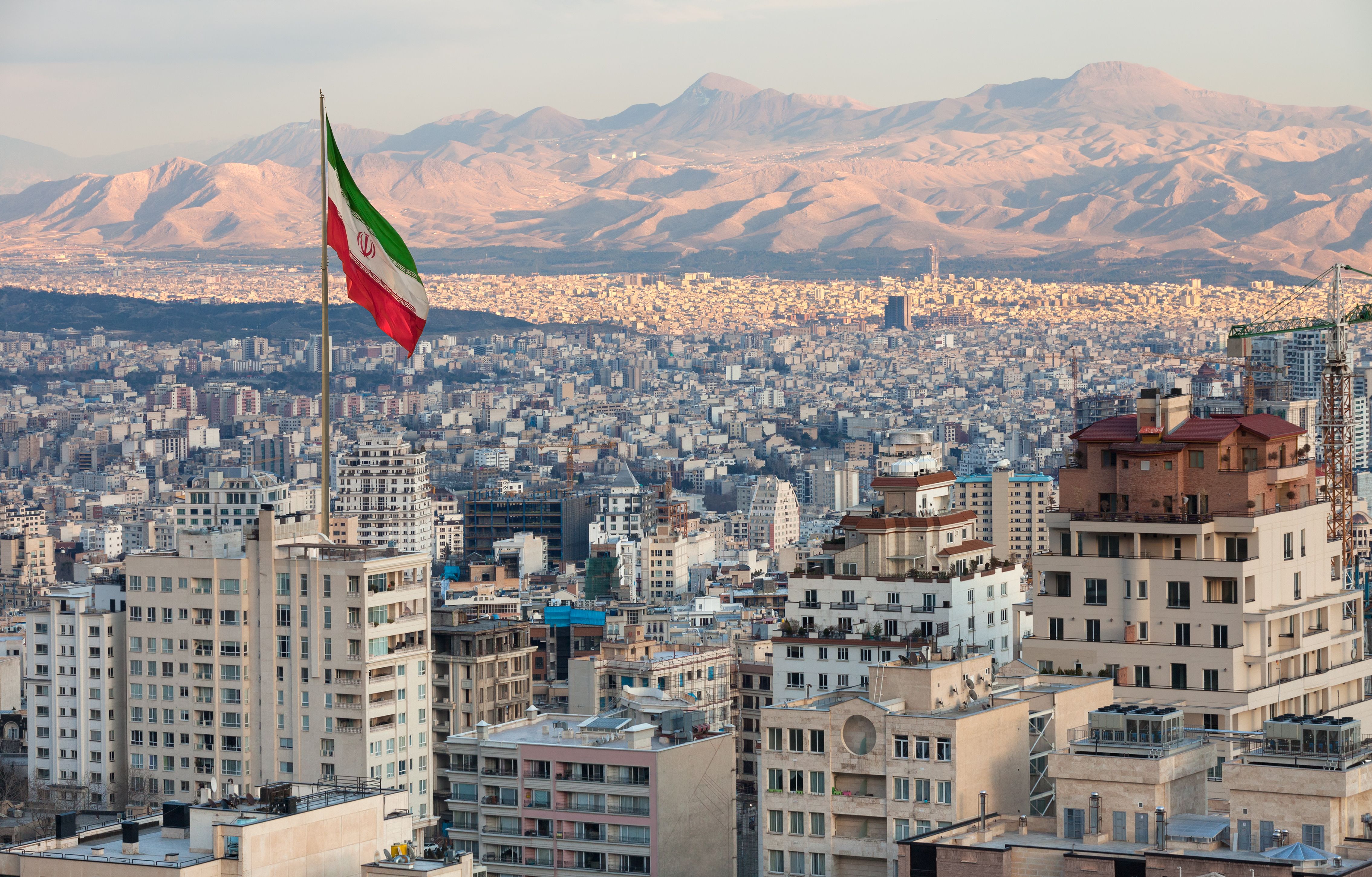
Overview of Corporate Law in Tehran
Corporate law in Tehran is governed by a combination of Iranian national laws and international regulations. Businesses must adhere to the Commercial Code of Iran, which outlines the legal framework for company formation, operation, and dissolution.
The Iranian legal system is based on civil law principles, and it incorporates aspects of Islamic law (Sharia). This unique combination influences how corporate laws are applied and interpreted in Tehran.
Types of Business Entities
Understanding the different types of business entities is crucial for companies planning to operate in Tehran. The most common types include:
- Joint Stock Companies – Suitable for larger businesses, these can be either public or private and require a minimum number of shareholders.
- Limited Liability Companies (LLCs) – Ideal for smaller businesses, these require fewer formalities and provide limited liability to their members.
- Branches and Representative Offices – Foreign companies can establish a presence in Tehran through these entities, although they have certain restrictions.

Key Considerations for Compliance
Compliance with local regulations is vital for businesses operating in Tehran. Companies must register with the Iranian Companies Registration Office and ensure all legal documents are in Farsi. Additionally, adhering to tax regulations and labor laws is essential to avoid penalties.
Businesses should also be aware of Iran's foreign investment regulations. While the country is open to foreign investment, certain sectors are restricted. Understanding these limitations can help businesses make informed decisions.
Intellectual Property Protection
Protecting intellectual property (IP) is a significant concern for businesses in Tehran. Iran is a member of the World Intellectual Property Organization (WIPO), and companies can register their trademarks and patents to safeguard their innovations.
It is advisable for businesses to work with local legal experts to ensure their IP rights are fully protected under Iranian law.

Dispute Resolution Mechanisms
Dispute resolution in Tehran can be handled through arbitration or the court system. Arbitration is often preferred due to its efficiency and confidentiality. The Tehran Regional Arbitration Centre (TRAC) provides a framework for resolving commercial disputes.
For businesses, understanding these mechanisms and having a clear dispute resolution clause in contracts can prevent long and costly legal battles.
Conclusion
Successfully navigating corporate law in Tehran requires a thorough understanding of local regulations and cultural nuances. By focusing on compliance, protecting intellectual property, and preparing for potential disputes, businesses can thrive in the vibrant market of Tehran.