
Debunking Legal Myths: What You Need to Know About Iranian Law


Understanding Iranian Legal Myths
When it comes to Iranian law, misconceptions abound. Many people outside Iran have a limited understanding of its legal system, often relying on stereotypes and outdated information. In this article, we'll explore some of the most common myths about Iranian law and provide accurate insights.
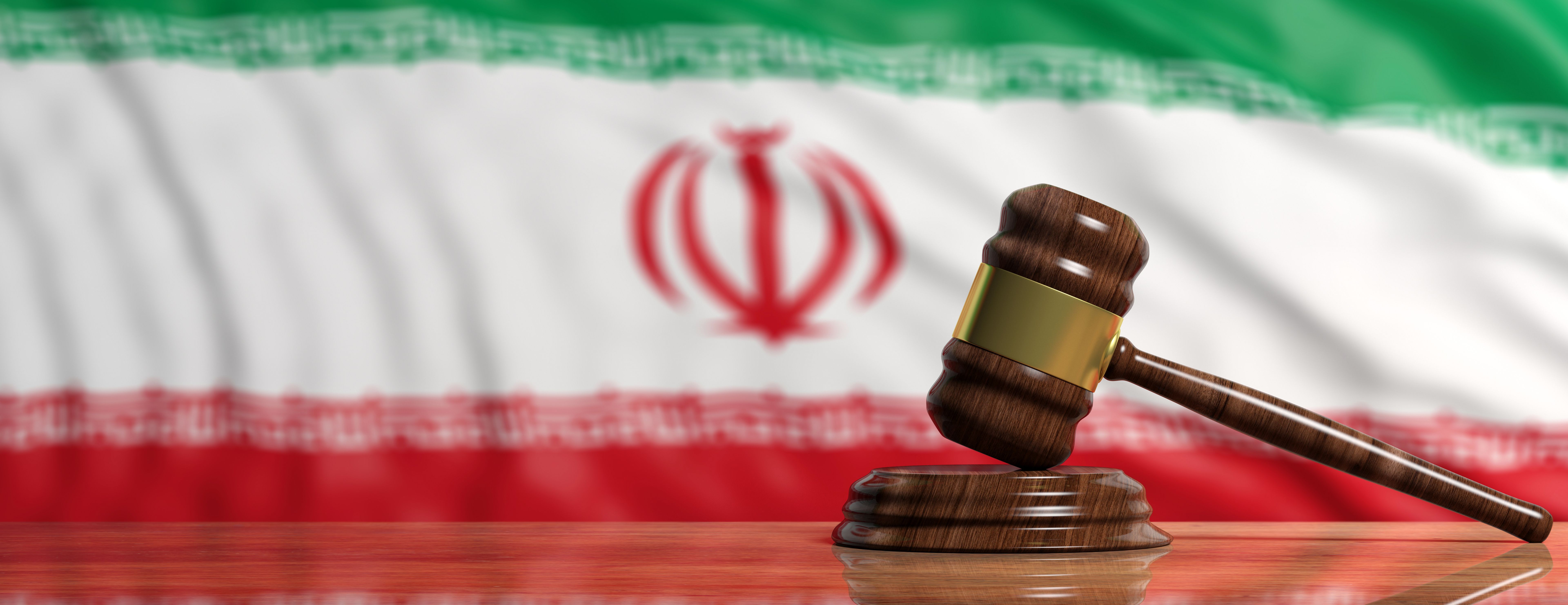
Myth 1: Iranian Law is Entirely Religious
One of the most prevalent myths is that Iranian law is solely based on Islamic principles. While Islamic law, or Sharia, plays a significant role, Iran's legal system is a blend of civil law, Sharia law, and customary law. The country's legal framework includes both religious and secular elements, reflecting its complex socio-political landscape.
Myth 2: Women Have No Rights
Another common misconception is that Iranian women have no legal rights. In reality, women in Iran have various rights, including the right to education, work, and participate in public life. However, there are limitations, especially concerning family law and personal status. Recent years have seen some progress, with Iranian women increasingly advocating for more rights and reforms.

Exploring Legal Procedures
Myth 3: Foreigners Cannot Engage in Legal Actions
Contrary to popular belief, foreigners can engage in legal actions in Iran. They can own property, enter into contracts, and pursue legal claims. It is essential for foreigners to understand the local laws and perhaps seek legal assistance to navigate the system effectively.
Myth 4: No Freedom of Speech
While freedom of speech is restricted in Iran, it is not entirely absent. There are limitations on criticizing the government and religious figures, but Iranians do engage in debates and discussions, especially on social media platforms. The legal system does impose restrictions, yet it is not as monolithic as often portrayed.

Key Takeaways
Legal Reforms and Developments
Iran's legal system is evolving, with ongoing discussions about reforms to improve human rights and legal transparency. Efforts are being made to align certain aspects of the law with international standards, although challenges remain.
Understanding the Legal Framework
To navigate the Iranian legal landscape, it is crucial to understand the framework's nuances. Engaging with legal professionals and staying informed about current developments can aid individuals and businesses in making informed decisions.
In conclusion, while Iranian law is often misunderstood, gaining accurate knowledge is essential. By debunking these myths, we hope to provide a clearer picture of Iran's legal system and encourage further dialogue and understanding.